The breakeven point (50% chance of Nemesis win) is around (player Chi) + 10-50% (increasing with the difference in player and Nemesis combat skill).
(see also: posita's answer to my other related question, which corroborates this analysis with a superior model.
For larger pools, the percentage value is smaller, but still positive.
Jasper Flick, creator of Anydice, helped me write a program that iterates over a constant number of rounds, instead of using computationally expensive recursion to cover all possible round outcomes. You can just email him! The "Support Chat" button really works!
In the analysis below:
- 0 represents both players and Nemesis are still standing
- 1 indicates players won without losing all Chi,
- 2 indicates Nemesis won,
- 3 represents a tie where both parties died (and players won, per rules).
- All parties throw only Yang hits.
A graph is worth a thousand words. Below, find the cumulative percentage graphs of Chi values 1-20 over the first 5 rounds of combat:
Player Skill 5 vs. Nemesis Skill 5
Nemesis Chi = Player Chi
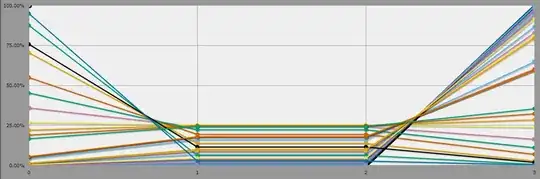
For equally matched skills and Chi pools, the maximum limit seems to be 25% for a Nemesis win, even 5 rounds in at 20 Chi.
I tested up to 10 rounds with 40 Chi and the 25% limit held - in fact, it seemed to shrink lower again as Chi increased.
Nemesis Chi = Player Chi + 10%
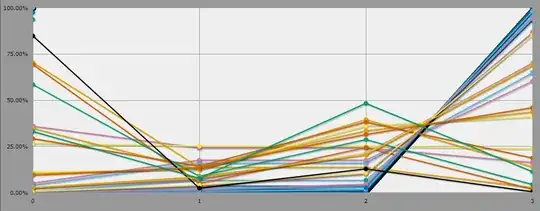
For equally matched skill pools where the Nemesis has 10% more Chi than the total player pool, the odds of Nemesis victory increase as player Chi increases, up to about 50% for a firecracker of a 20-Chi brawl where the Nemesis has 22.
Nemesis Chi = Player Chi + 50%
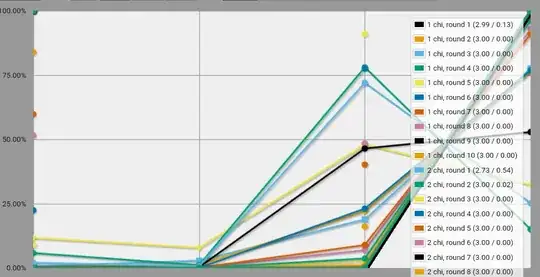
This is a nice, varied graph. For example, at 6 vs 9 Chi, Nemeses have a 78% chance(!) of winning round 2, but an abysmal 3% thereafter. This "early spike" seems to manifest later in the combat as Chi pools grow, and it climbs higher.
When combat skills are equal, a Chi differential of 50% is immense.
Player skill 5 vs. Nemesis skill 4
Nemesis Chi = Player Chi
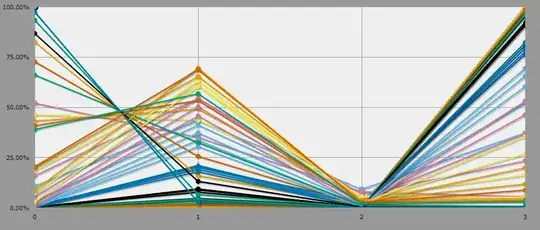
Odds of a Nemesis victory fall to 0 as Chi rises, as expected.
Nemesis Chi = Player Chi + 10%
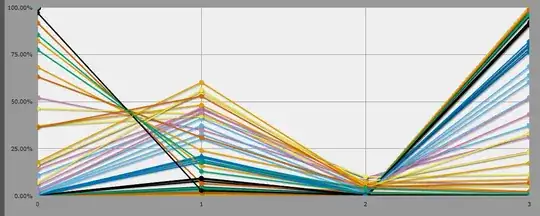
Odds of the bad guys winning do not improve much with the addition of 10% extra Chi.
Nemesis Chi = Player Chi + 50%
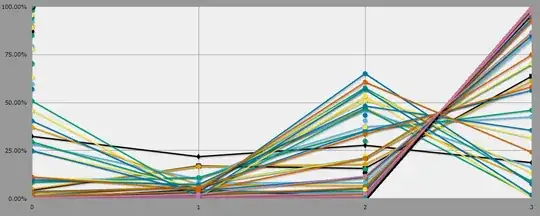
Now we're talking! At 12 vs. 18 Chi, Nemeses have a 56% chance to take the players out in round 4. This peak moves to later rounds at larger Chi values, growing to 60% at 20 Chi in round 7 (having started the fight with a whopping 40 Chi!).
At more realistic Chi values, the peak looks like this:
| Player starting Chi |
Nemesis starting Chi |
Rounds elapsed |
Nemesis win % |
| 4 |
6 |
1 |
13% |
| 4 |
6 |
2 |
6% |
|
|
|
|
| 6 |
9 |
2 |
46% |
| 6 |
9 |
3 |
3% |
|
|
|
|
| 8 |
12 |
2 |
10% |
| 8 |
12 |
3 |
37% |
| 8 |
12 |
4 |
1% |
|
|
|
|
| 10 |
15 |
3 |
40% |
| 10 |
15 |
4 |
21% |
| 10 |
15 |
5 |
0.5% |
|
|
|
|
| 12 |
18 |
3 |
8% |
| 12 |
18 |
4 |
58% |
| 12 |
18 |
5 |
11% |
Player skill 4 vs. Nemesis skill 5
Player Chi = Nemesis Chi
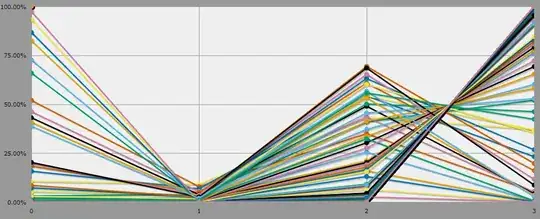
Why would you give a Nemesis a higher skill than the good guys? Do you hate your players? ... Don't answer that.
The higher the Chi pool, the worse the outlook for the players, which makes sense: the law of large numbers always has its day.
| Player starting Chi |
Nemesis starting Chi |
Rounds elapsed |
Nemesis win % |
| 4 |
4 |
1 |
35% |
| 4 |
4 |
2 |
8% |
|
|
|
|
| 6 |
6 |
2 |
41% |
| 6 |
6 |
3 |
3% |
|
|
|
|
| 8 |
8 |
2 |
43% |
| 8 |
8 |
3 |
20% |
| 8 |
8 |
4 |
1% |
|
|
|
|
| 10 |
10 |
3 |
54% |
| 10 |
10 |
4 |
9% |
|
|
|
|
| 12 |
12 |
3 |
49% |
| 12 |
12 |
4 |
33% |
| 12 |
12 |
5 |
4% |
|
|
|
|
| 20 |
20 |
5 |
57% |
| 20 |
20 |
6 |
56% |
| 20 |
20 |
7 |
15% |
Other values of Chi
I could include analysis of Nemesis Chi - 10% and so on here, but will not for the sake of time.


