On first thought I was tempted to say yes, because you are creating a longer-living carbon sink for part of the wood (compared to letting the tree die naturally).
But on second consideration: Look at the amount of material that gets discarded when making wooden objects. I estimate that's easily 70% of the tree: 30% in the construction phase alone, plus cutaway outer edges, branch and root material. That fraction is going to be processed much faster (cheap wood board materials, wood pellets for burning, sawdust, etc), so it hardly counts as a carbon sink.
So the total effect is you cut down a mature tree, plant 2 saplings in its place, put 30% of its carbon in your furniture for 50 years, and dump 70% of its carbon back into the atmosphere almost immediately.
That looks to me a destroying a carbon sink. Better leave the tree standing.
Notes:
- I'm assuming that you cut down the tree before the end of its natural life (otherwise the wood would be useless), and that the furniture outlives the period the tree would have lived on. Any deviation from that makes matters worse.
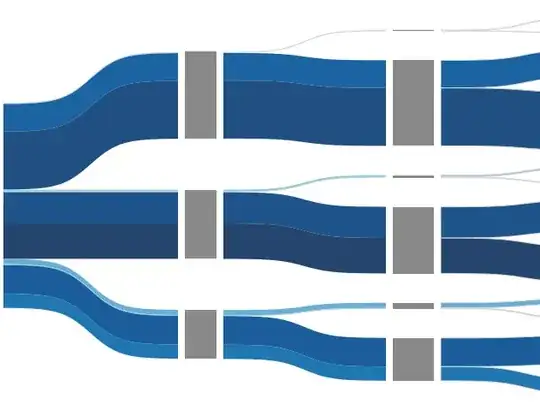
- For a good comparison you would have to make a graph like below (time on horizontal axis, graph trees representing objects, their width representing carbon content), with calculations about tree type, tree and furniture volume, time stamps, etc. That would be quite an undertaking (and many quantities would have to be assumed since the question does not have them either).