This is going to vary country by country, since securities laws can differ quite a bit when it comes to securitizing. That is largely governed by the relevant accounting rules which outline what assets you can take off your books. Without a majority transfer of risk, the asset typically can't(and shouldn't) be securitized. Securitization is very customizable, so this is going to be pretty general.
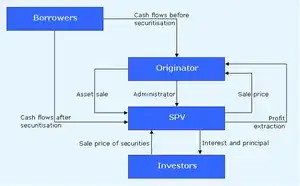
Tranches are going to be determined by targeting specific investors and structuring the bond to fit their needs. Deals are typically structured in a sequential paydown, where the senior tranche receives P&I until it fully amortizes. Payments flow from the top down while losses and prepayments(if possible) flow from the bottom up. Typically there is an un-rated equity tranche as the most junior piece, that the bank itself or a B-piece buyer holds to better align interests. As for the actual loans being repackaged, there's a tradeoff with quality and balance. The lower the ratio of tranche balance : collateral, the less risk, when the collateral balance is larger than the sum of the tranches, this is known as overcollateralization, which absorbs losses prior to any tranche. In the simplest case, interest payments from all of the loans flow through at the weighted average coupon(WAC) of the underlying collateral net of any fees(servicing, escrow, etc.).
Tenor is going to be determined by the underlying's loan terms. It can vary depending on what sort of prepayment and waterfall provisions exist. A pool of 7-year IO loans is obviously going to limit the maturity to somewhere in that neighborhood. Contraction/Extension risk is usually well defined by your position in the capital stack.
It sounds like you might have a mixed pool of IO and non-IO loans, which can be hedged using swaps. The closer you move towards an IO structure, extension risk is going to increase and the bond is going to price closer to par. You can slice and group the loans into as few or as many tranches as you like, you just have to find someone willing to buy it.

