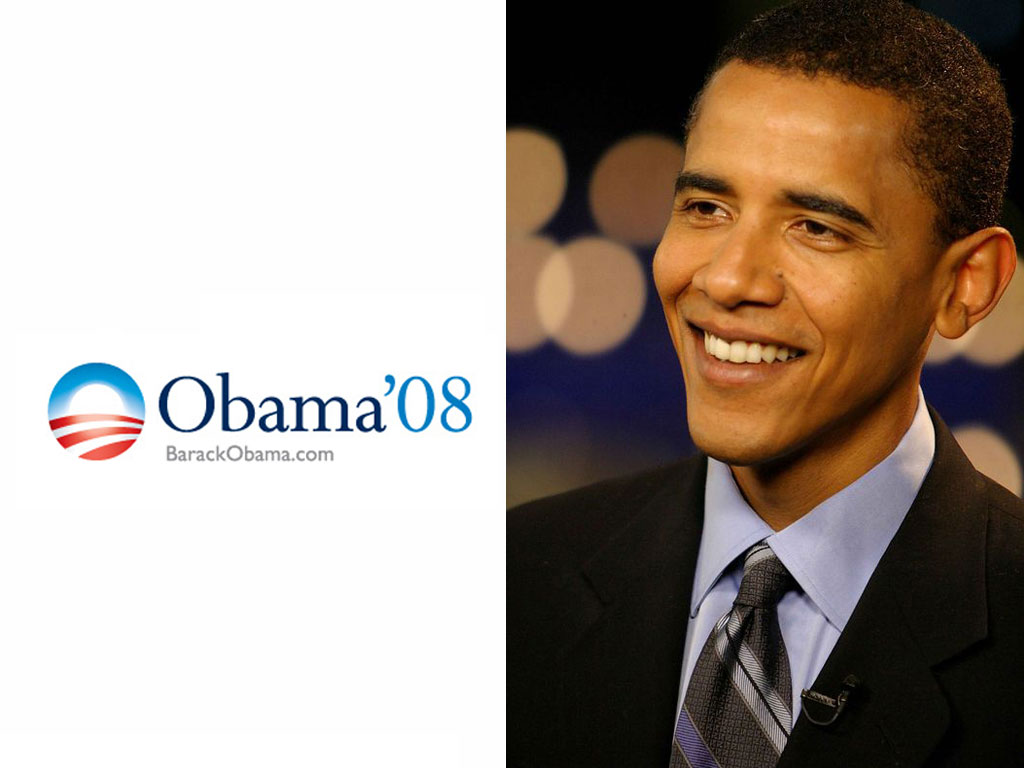
This would theoretically allow him to become the Speaker of the Senate and therefore the third most important man in the US government, unrestricted by any term limits.
There is no Speaker of the Senate. There is either President pro tempore of the Senate or Majority Leader. The general theory is that Barack Obama would not be eligible to be President pro tempore of the Senate, as the only real purpose of the role is to be third in line for the presidency and Obama is no longer eligible to become president.
President pro tempore of the Senate also traditionally goes to the most senior of the majority party's Senators. So some problems:
- If Obama were a Senator, he wouldn't be the most senior in his party.
- His party isn't in the majority and probably won't be until at least 2020 (they need three seats and only have credible targets for two).
- Not eligible to be president anymore, so not much point taking a position that only leads to the presidency.
- The President pro tempore is far from being powerful. It's a ceremonial position except for the power that Obama wouldn't have.
Obama would also have some difficulty becoming a Senator. Washington, DC, where he resides, does not have a Senator. So he would have to establish a residency in another state. The most likely candidates would be Maryland, Virginia, or Illinois. But all of those states already have two Senators of his party. Who would he replace?
If he was a Senator, he might aim for Minority Leader in the short term and Majority Leader in the future. But he might also empower Republicans. Currently the nationalization empowers Democrats, as Donald Trump is unpopular. Obama is popular and would likely win any election in which he participated. But if he had a position of power, then Republicans could run against him. And Obama was exceptionally unsuccessful in elections in which he did not participate himself. see 2010, 2014, and 2016. His results were only middling in 2012. Many Republicans are not crazy about Trump, but they united in opposition to Obama.
Similar issues would arise in the House. Even if the Democrats do take control of the House, it's not necessarily so that they would want to elevate Obama to the leadership. They've been angling for their own position for years. Why should he get to cut to the head of the line?
The truth is that Obama has minimal legislative experience. He was a junior Senator who spent about half his term running for president. All his legislative achievements occurred when he was president and they were arranged by his more experienced peers, Joe Biden, Harry Reid, Nancy Pelosi, etc. His signature achievement (Obamacare) contained something (individual mandate) that he specifically campaigned against.
We could say similar things about previous candidates:
George W. Bush left office quite unpopular, with a reputation for incompetence. Only executive experience.
Bill Clinton left office with a perjury charge and never won a majority of the vote. Only executive experience.
George H. W. Bush left office unpopular, but more importantly he was rather old and not ready to launch a new career.
Ronald Reagan was even older. Only executive experience
Jimmy Carter was unpopular and with only executive experience.
Gerald Ford could have returned to the House or launched a Senate career. Not sure of obstacles but was tarnished by association with Nixon. Not a great candidate--shot himself in the mouth frequently.
Richard Nixon was all but impeached. Not a great candidate.
Beyond all that, how would it feel to go from the highest office to a lesser one? Some have done it, but it's not that common. And the truth is that the aspects that make for a good president, like executive experience, aren't things that make for a good legislator. Many executives find legislative positions confining. Take Evan Bayh for an example.
What would he accomplish? We have one example of a former president in an elected role. John Quincy Adams was elected to the House. What did he accomplish? I have no idea. He certainly wasn't a national leader.
Andrew Johnson was technically a Senator after being president, but he died a few months into his term.