You are conflating two different things: harmonic analysis, which for the most part is chord root analysis, and instrumental texture.
Assuming a context of C major, this...

...is fully voiced, four part, root position tonic chord.
But, even if you drop out some voices and omit the third and fifth of the chord, like this...
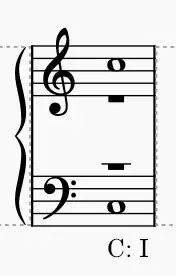
...or with a bit more context...
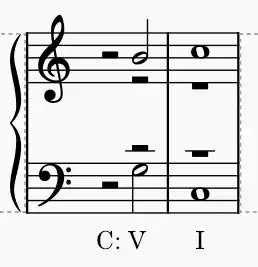
...labeling those incomplete chords with I to show they fulfill tonic chord function is OK.
...the 4 voices are not kept, and it can become a three-note chord and then a two-note chord...spacing between the upper three voices must be maintained properly...there are a lot of skips with a big difference in pitch
Those things are not chord root analysis. Some of it is about instrumental texture, balancing voices, interval clarity, some might fall under melodic analysis. In terms of analysis, those things are more like proofreading for errors. Stuff a teacher circles in red with comments like "tenor too low", or "you crossed voices", etc.
A lot of those things are connected to instrumental genre. The textures for choral, keyboard, and string music will vary. Don't expect all aspects of 4 part chorale texture to apply to other instrumental genres.
You probably won't see a leap of a ninth in the soprano of a 4 part chorale as you see in the treble part of this partita...

...but in this instrumental genre you should recognize that compound melody is very common and the passage would reduce to something like this...

Notice that I didn't label the Cm chord on beat two of the first bar. Depending on what level of harmony you want to analyze you can skip those details as various non-chord tone motions.
The beginning of the passage has some points where you could label additional chords (the parts boxed in red)...

You could add a bit more analysis details, like B♭: I V6 V7 I, but the harmonic essence of the first 4 bars to beat 1 of bar 5 is simply: tonic - dominant - tonic.
You don't necessarily need to do harmonic analysis on all the non-chord tone and broken chord figuration. Sometimes just labeling the principle cadences and key changes is all you need to get a useful structural analysis, an analysis of musical form.
Depending on the piece some melodic analysis may be helpful. Labeling things like sequential passages, development of melodic motifs, inversion of or imitation between parts, etc. can reveal the musical design.
I hope this helps you get started. Try analyzing more loosely than compared to a 4 part chorale. Think of it more as a sketch of harmonic analysis.


