てある and ている can both be used to show states,
with ている there is some ambiguity with action verbs as to whether it's the state or the action that is meant.
Right.
Would one of the uses of てある be to make clear that it's the state and not the action that is meant ?
I find you must be right that it seems only action verbs can make the てある form; we don't normally say (×)思ってある, nor (×)違ってある.
Does this(てある) discard the implication of an actor ?
Yes, grammatically, but I feel it's not quite that way psychologically.
Another reason for using てある would be it draws attention to the fact that there is someone who was responsible for the resulting state whereas ている is
simply stating the state.
I can't think of every possibility.
花を[が]生けてある sounds just so right.
花を生けている sounds more like an action in progress to me.
Why and when would someone want to draw attention to the actor of an action in such ?
It's subjective, and I think when both てある and ている are possible, both most likely have the same degree of ability for drawing attention.
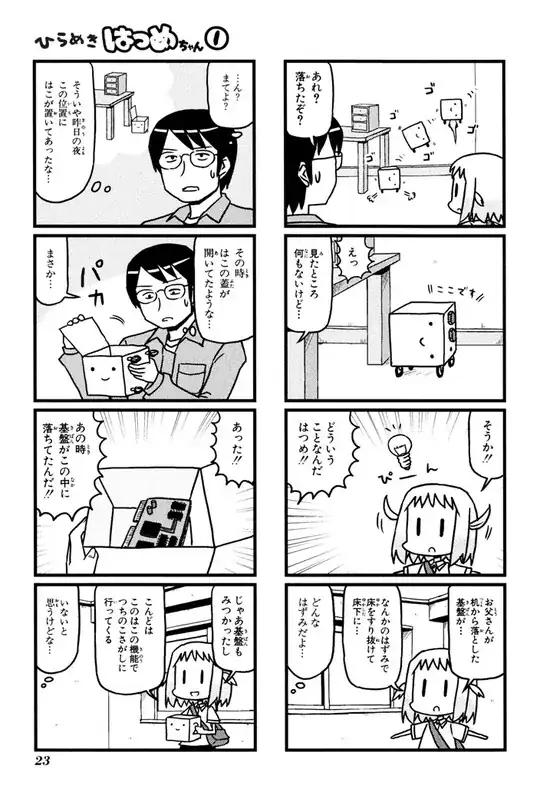
Why is てある used in this case (top left panel):
そういや昨日の夜 この位置に はこが置いてあったな…
My native sense tells me that to say ていた in place of the てあった, you have to rewrite it to はこを置いていたな.
The grammar doesn't allow はこが置いてあったな to have the action maker. It doesn't mean that we can think of someone who did that. In fact, I feel very much an existence of someone who put that.
But はこを置いていたな sounds more like the subject, or the action maker, is being omitted; this is very much expected to state 'who' put the box.