I noticed that 景 is written on the Tang-era Nestorian Stele with the "boxes" switched, ie. the 口 is above and 日 is below. Would this be a standard way to write the character during that time, or is it an intentional variation?
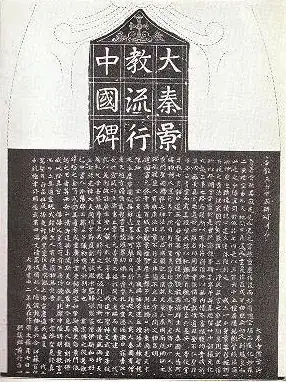
I noticed that 景 is written on the Tang-era Nestorian Stele with the "boxes" switched, ie. the 口 is above and 日 is below. Would this be a standard way to write the character during that time, or is it an intentional variation?

This is a 隸書 form of 景. According to the references cited in the 教育部異體字字典, it occurs on steles from the Tang dynasty.
Sometimes these variations are done for ease of cutting, or because certain forms tend to break or wear away very easily; I don't know if this is the case here. Another form that also seems to appear a lot is with two 日, a 日 on top and a second one in 京 (= 日/小).
